
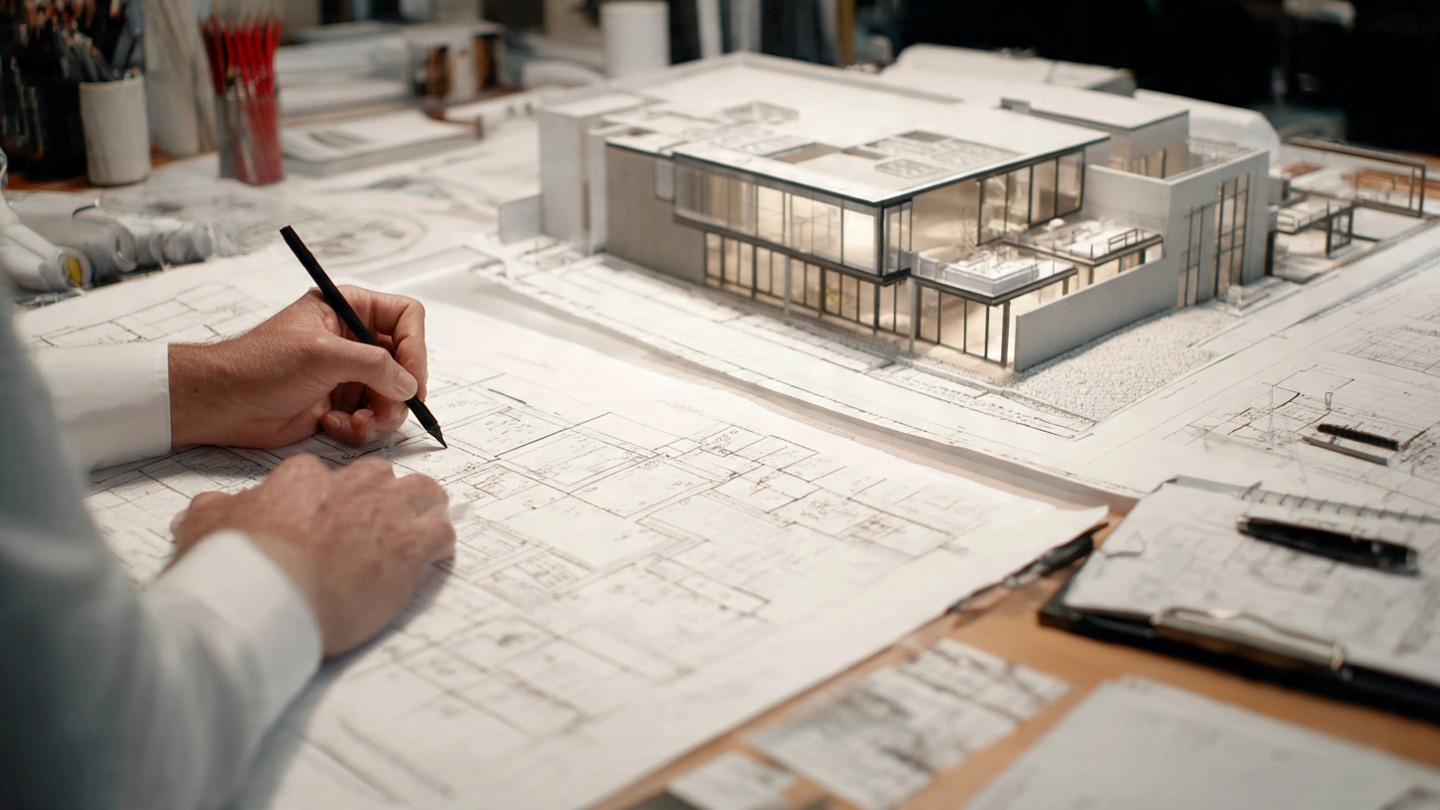
What Does an Architecture Firm Really Do?
Hiring an architecture firm is one of the most important decisions when planning any building project, whether residential, commercial, or industrial. Yet, many clients are unsure what architects actually do beyond “designing buildings.” In reality, an architecture firm manages an integrated process that ensures your construction project becomes functional, safe, compliant, and aesthetically meaningful.
This guide explains the role of an architecture firm step-by-step, helping first-time clients understand what value they receive when collaborating with professionals.
1. Concept Development & Feasibility
Every successful project begins with a vision.
Architecture firms translate your ideas into reality by:
- Identifying project requirements
- Analyzing available land or site layout
- Understanding cultural, environmental & regulatory factors
- Determining feasibility based on budget and approvals
Outcome: A clear project direction aligned with constraints and opportunities.
2. Schematic Design
During schematic design, architects create initial concepts that visualize the project:
- Preliminary floor plans
- Massing models
- Site layout options
- Functional circulation planning
This phase helps clients see how spaces connect, how light enters the structure, and how the building interacts with the environment.
3. Detailed Architectural Design
Once the concept is approved, architects generate detailed design documents:
- Final floor plans & elevations
- Cross-sections & detailed working drawings
- Material specifications
- Fixture & finishing recommendations
These documents guide contractors and engineers, eliminating ambiguity during construction.
4. Coordination With Engineering Teams
Architecture firms integrate with structural, mechanical, electrical, and plumbing engineers to ensure building stability and functionality.
This coordination provides:
- Structural integrity
- Mechanical ventilation & HVAC planning
- Efficient electrical layout
- Plumbing & water management solutions
Without this step, a design may look beautiful but fail to perform safely and sustainably.
5. Regulatory & Municipal Approvals
Navigating approvals is one of the most challenging tasks for clients.
Architecture firms manage:
- Building permit applications
- Municipal drawing submissions
- Environmental clearances
- Compliance documentation
This ensures your project progresses legally and without costly delays.
6. Construction Supervision & Site Consultation
Architects maintain design quality during execution through:
- Site visits
- Inspection reports
- Contractor coordination
- Design corrections
- Material recommendations
Supervision prevents deviations, unsafe shortcuts, and future structural issues.
7. Interior & Landscaping Integration
A building’s experience extends beyond its walls.
Architects may also handle:
- Interior layouts
- Lighting design
- Furniture arrangement
- Landscaping & outdoor space planning
This creates harmony between indoor and outdoor environments.
Why Hiring an Architecture Firm Matters
| Benefit | Impact |
|---|---|
| Safety & stability | Reduced structural failures |
| Efficient spaces | Better comfort & usability |
| Cost control | Prevents waste & mistakes |
| Compliance | Avoids legal issues |
| Property value | Professionally designed buildings are worth more |
Final Thoughts
An architecture firm does far more than draw plans.
It manages your project from the first idea to the final execution—ensuring safety, compliance, functionality, and aesthetic impact. Whether you are a homeowner, business investor, or developer, partnering with a qualified architectural practice is essential to achieving long-term results.
No responses yet